
From Survivor to Child Sexual Abuse Prevention Advocate
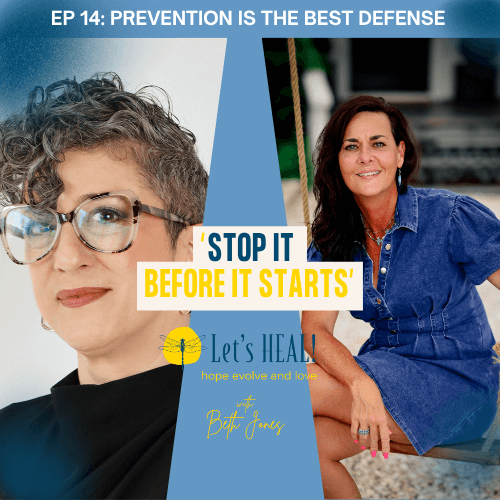
I sat down with my dear friend Tara Edgar for this powerful conversation about child sexual abuse prevention. During our talk, I was reminded of how our individual trauma recovery journeys can transform into missions that protect future generations. Tara, the founder of Talk Hong Kong, has created something extraordinary. A comprehensive approach to child sexual abuse prevention that combines survivor support with community education and legal advocacy.
Our conversation took place during Child Abuse Prevention Month, making it particularly meaningful as we explored how survivors can channel their trauma recovery into prevention work that creates lasting change.
The Foundation: Building a Support Community for Trauma Recovery
Tara's journey began where many of ours do, with a personal need for healing and a support community. When her therapist suggested she find a support group, Tara discovered there wasn't one available in Hong Kong. Rather than accept this gap, she took action.
“I didn't want anybody to do that online search looking for help and find nothing,”
This simple yet powerful motivation led to the creation of Talk Hong Kong's survivor support groups.
What strikes me most about Tara's approach is how she understood intuitively what research now confirms: trauma recovery happens in community. When survivors connect with others who share similar experiences, there's a unique level of understanding and acceptance that accelerates healing. As someone who found immense value in Tara's support group during my own early healing days, I can attest to the transformative power of feeling truly seen and understood.
The abuse support groups became the foundation for everything else Talk Hong Kong would become. Because when survivors engage in meaningful trauma recovery, they often develop what Tara beautifully describes as a natural desire to protect others from experiencing similar harm.
Expanding the Mission: From Support to Prevention
What began as peer support for trauma recovery evolved into something much larger. Tara and I worked together on legal reform efforts, contributing to proposed changes in Hong Kong's sexual offense laws. This advocacy work taught us both valuable lessons about the intersection of survivor voices and systemic change. But Tara's vision extended beyond legal reform. She recognized that true child sexual abuse prevention requires a comprehensive, community-wide approach. This understanding led to Talk Hong Kong's evolution into a charity focused on primary prevention – stopping abuse before it happens.
The Power of Research and Data
One of the most impactful aspects of Tara's work has been her commitment to understanding the scope of child sexual abuse in Hong Kong through research. When she couldn't find adequate data about prevalence and response systems, she created it.
The research revealed startling gaps in how cases move through the system – from the small percentage of cases that get reported to the even smaller number that result in meaningful consequences. This data became a powerful tool for advocacy and awareness, demonstrating how unaddressed trauma ripples through communities and systems.
Primary Prevention: The Ultimate Goal
Tara's current focus on primary prevention represents the most powerful approach to addressing child sexual abuse. Rather than simply responding after harm has occurred, primary prevention aims to stop abuse before it starts. Thus preventing the need for trauma recovery in the first place.
“The further upstream you can get, the better,” Tara explained. This approach involves training adults to take proactive, protective actions rather than placing the burden of prevention on children themselves.The philosophy behind this approach is both simple and profound: adults are responsible for protecting children. This means creating environments where potential abusers don't have access to children, where concerning behaviors are recognized and addressed early, and where children feel safe to speak up if something inappropriate happens.
Building Protective Communities
Talk Hong Kong's prevention work focuses on building what Tara calls “protective communities.” This involves:
- Education and awareness programs that help adults recognize warning signs
- Training sessions that teach practical prevention strategies
- Community engagement that normalizes conversations about child protection
- Support for intervention when harmful sexual behavior is identified early
What I find particularly powerful about this approach is how it acknowledges that child sexual abuse is a community problem requiring community solutions, while also supporting those already on their trauma recovery journey.
The Ripple Effect of Trauma Recovery
Through my conversation with Tara, I was reminded of something crucial. When we heal from trauma, we don't just change our own lives, we break cycles that can impact generations.
Tara spoke about how support groups represent “tertiary prevention”. Preventing generational harm by helping survivors through trauma recovery. When survivors do the work to process their trauma, they're less likely to inadvertently pass that trauma to their children or perpetuate harmful cycles in their relationships.
This concept resonates deeply with my own understanding of healing as both personal transformation and community service. Every survivor who commits to trauma recovery is contributing to a safer world for children.
Actionable Insights for Prevention and Healing
From my conversation with Tara, several key takeaways emerged that can benefit both survivors in trauma recovery and those working in prevention:
1. Seek Community Connection
Whether you're a survivor seeking trauma recovery or someone wanting to contribute to prevention efforts, find your community. Look for support groups, volunteer opportunities, or organizations doing prevention work in your area.
2. Understand That Prevention is Everyone's Responsibility
Child sexual abuse prevention isn't just the job of parents or professionals – it requires entire communities working together. Everyone can play a role in creating safer environments for children.
3. Support Survivor Voices in Prevention Work
Survivors bring unique insights and credibility to prevention efforts. Organizations doing this work benefit enormously from including survivor perspectives in their programs and advocacy.
4. Focus on Systemic Change
While individual trauma recovery is crucial, lasting change requires addressing systems and structures. This might involve advocacy for legal reform, better training for professionals, or improved institutional policies.
The Global Need for This Work
As our conversation concluded, I asked Tara about global aspirations for Talk Hong Kong's work. Her response reflected the wisdom of someone who understands that sustainable change happens through deep, localized work rather than rapid expansion.
But the principles behind Talk Hong Kong's approach – survivor support, community education, and systemic advocacy – are needed everywhere. The statistics on child sexual abuse are consistently concerning across cultures and countries, making this work universally relevant for both trauma recovery and prevention efforts.
Looking Forward: Hope in Action
What gives me the most hope about conversations like this one with Tara is seeing how survivor trauma recovery can transform into prevention work that protects future generations. When we channel our pain into purpose, we create something powerful and lasting.
Tara's work reminds us that trauma recovery and prevention are interconnected. We can't effectively prevent child sexual abuse without supporting survivors through their healing journey, and we can't fully heal without working to ensure others don't experience similar harm.
As your healing mentor, I want to leave you with this thought: your trauma recovery journey matters not just for you, but for everyone whose life you touch. Whether that impact happens through formal prevention work like Tara's or simply through being a healed, whole person in your daily relationships, you have the power to contribute to a safer world.
Ready to take action? If you're a survivor seeking support for trauma recovery, look for organizations like Talk Hong Kong in your area. Or consider online resources if local options aren't available. If you want to contribute to prevention efforts, research organizations doing this work and explore how you can get involved. And remember, your trauma recovery journey is itself an act of prevention.
Resources:
- Talk Hong Kong: talk.hongkong.org
- Darkness to Light prevention training (available globally)
- Empowered Survivors for healing resources: empoweredsurvivors.com
Categories
OUR BLOGS
Recent Posts

Emotional Triggers at Work: What Leadership Reactions Are Really Costing Your Team
A framework for understanding why some leaders’ reactions feel disproportionate to the moment, and what…
Human-First Leadership in Practice: How Recovery Transformed One Leader’s Team
What does leadership look like when a leader has done their own work? Not the…
How Leadership Behavior Sets the Tone for Your Entire Organization
Every organization has a tone. It is not the values statement on the website or…