
Finding Community and Purpose: Survivor Support Groups Transform Childhood Trauma Recovery
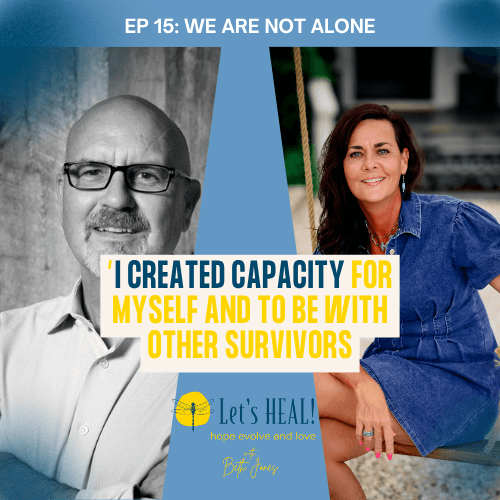
When I first started my childhood trauma recovery journey nearly five years ago in Hong Kong, I felt completely alone. I thought I was the only person struggling to make sense of childhood abuse while trying to maintain a professional facade. Then I discovered the power of survivor support groups and survivor community. Then everything changed. My recent conversation with Scott Dill, founder of Braver Collective, reminded me why connecting with other trauma and abuse survivors isn't just helpful, it's transformational for childhood trauma recovery.
The Isolation That Keeps Us Stuck in Childhood Trauma Recovery
Before finding my healing path, I had unconsciously exiled myself from meaningful relationships. I existed in a professional bubble with my then-husband and work colleagues, but I had no real community. I didn't understand why my life had contracted to such a small circle. Now I know it was part of my survival mechanism. A way to protect myself from further hurt.
Scott's story resonated deeply with me. Like many of us navigating healing, he spent decades trying to “push down” his trauma and move forward. He described reading “every possible self-help book” and doing his first round of therapy in his early 30s. But, it wasn't until he found community that real healing began.
“I realized I wasn't alone. That's all different. Right. Everybody's particular stories. You know, the particulars of the story might be different. How it manifests in our lives is a little different. But there's so much that's in common and to know we're not alone and we're going to be okay.”
This knowing, that we're not alone, becomes the foundation for everything else in our childhood trauma recovery journey.
The Evolution of Survivor Support Groups
What excites me most about organizations like Braver Collective is how they're making recovery resources more accessible than ever. When I was searching for help in Hong Kong, I was thrilled to find an in-person support group. But Scott and his team recognized that many survivors aren't ready to walk into a room full of strangers. They shouldn't have to be.
Braver Collective offers what I call “graduated community engagement.” You can participate anonymously online, accessing survivor stories and healing resources at your own pace. You can stay private as long as you need while still receiving the benefits of shared experience and mutual understanding.
This approach acknowledges something crucial about childhood trauma recovery: we need different levels of community support at different stages of our healing journey. Sometimes we need the safety of anonymity. Sometimes we need the power of looking someone in the eye and saying, “I've been there too.”
Why Traditional Support Falls Short
One thing Scott mentioned that really struck me was how support looks different depending on where you are in your recovery process. In his early 30s, the primary outcome of group therapy was simply realizing he wasn't alone. But when he resumed his healing work in his 50s, the survivor healing community served a different purpose. It became a place where he could show up as his authentic self, trauma and all.
This evolution highlights why survivor healing community is so different from general support groups. When you tell friends who haven't experienced trauma about your abuse, you often end up comforting them because they're shocked and upset by what you've shared. But when you're in community with other trauma and abuse survivors, you can focus on your own childhood trauma recovery instead of managing someone else's emotional response.
Building Protective Communities for Prevention
What's particularly powerful about Scott's work is how it bridges survivor support with child abuse prevention. He spoke about the need to create “protective communities”. Networks of people who understand trauma's impact and can recognize warning signs before abuse occurs.
This connects directly to my passion for breaking generational cycles of trauma through childhood trauma recovery. When survivors heal and become advocates, we don't just change our own lives. We create ripple effects that protect future generations. Every person who finds healing becomes someone who can recognize trauma in others and respond with wisdom rather than fear.
The Technology of Connection
I'm fascinated by how Braver Collective uses technology to expand access to childhood trauma recovery resources. Their website serves as what Scott calls “an online healing resource and community,” designed entirely by survivors for survivors. Everything on the platform, from resource priorities to site navigation, comes from the lived experience of people who understand this journey.
This survivor-centered approach ensures that every element serves our actual needs rather than what outsiders think we need. It's a powerful example of how trauma and abuse survivors can become the experts and architects of our own healing resources. This makes childhood trauma recovery more accessible and effective.
From Isolation to Purpose Through Childhood Trauma Recovery
Perhaps the most beautiful part of Scott's story is how his healing journey led him to leave a successful corporate career and dedicate his life to supporting other survivors. This transformation from isolation to purpose is something I see again and again in our community of those committed to childhood trauma recovery.
When we heal our own trauma, we develop what Scott calls “a sense of compassion” and “a sense to do something to be helpful.” His trauma therapist told him that 95% of sexual trauma survivors eventually feel called to help others. It's a natural outcome of deep childhood trauma recovery work.
This aligns perfectly with my experience. I never planned to become “the healing mentor,” but once I began my healing journey, I felt compelled to share what I learned. Our pain, when transformed through healing, becomes our greatest source of power and purpose.
Actionable Steps for Finding Your Childhood Trauma Recovery Community
Based on my conversation with Scott and my own healing journey, here are practical ways to begin building community connections for your healing journey:
Start where you feel safe. If in-person groups feel overwhelming, begin with online resources like Braver Collective. Read survivor stories, explore healing modalities, and get comfortable with the idea that you're not alone in your childhood trauma recovery.
Look for trauma-informed spaces. Not all support groups understand childhood trauma recovery. Seek out organizations specifically designed for trauma and abuse survivors, where facilitators understand the unique challenges we face.
Consider the gradual approach. You don't have to share your story immediately. Many effective survivor communities allow you to participate by listening before you're ready to speak about your childhood trauma recovery journey.
Remember that community looks different at different stages. What you need from community will evolve as your childhood trauma recovery progresses. Stay open to different types of connection as your journey unfolds.
The Ripple Effect of Childhood Trauma Recovery
What gives me the most hope about this work is understanding how each person's childhood trauma recovery creates waves that extend far beyond their individual journey. When Scott was inspired by the USA gymnasts' testimonies against Dr. Nassar, he became part of a healing ripple that now reaches countless survivors through Braver Collective.
This is why survivor healing community matters so profoundly in childhood trauma recovery. We're not just supporting each other through difficult days. We're building the infrastructure for a world where fewer children experience trauma and more survivors find their way to healing.
Every time we choose connection over isolation, vulnerability over hiding, and purpose over despair, we make it easier for the next person to do the same. We become proof that childhood trauma recovery is possible. That community exists. That our worst experiences can become the source of our greatest contributions.
If you're reading this and feeling alone in your recovery journey, please know that community is waiting for you. Whether that's through organizations like Braver Collective, local support groups, or simply reaching out to one person who might understand your experience, taking that first step toward connection can change everything.
You don't have to navigate childhood trauma recovery alone. In fact, you're not meant to.
Ready to explore childhood trauma recovery resources? Visit Braver Collective to access survivor stories, healing resources, and community support designed by survivors, for survivors. For more healing resources and to connect with my community of empowered survivors.
Categories
OUR BLOGS
Recent Posts
Emotional Triggers at Work: What Leadership Reactions Are Really Costing Your Team
A framework for understanding why some leaders’ reactions feel disproportionate to the moment, and what…
Human-First Leadership in Practice: How Recovery Transformed One Leader’s Team
What does leadership look like when a leader has done their own work? Not the…
How Leadership Behavior Sets the Tone for Your Entire Organization
Every organization has a tone. It is not the values statement on the website or…