
How Childhood Sexual Abuse Survivors Can Reclaim Their Power
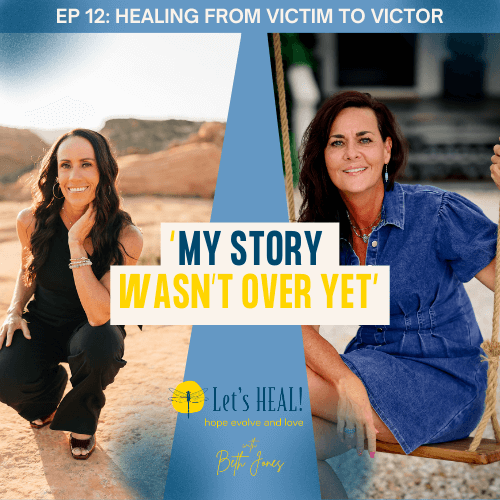
Both of us had experienced childhood sexual abuse that went unaddressed for decades. We both struggled with unhealthy relationship patterns. And we both eventually found our way to transformative sexual abuse therapy that changed everything. These are the similarities I discovered when I sat down with with Amy Stephens to discuss her powerful healing journey
Amy's story, detailed in her book “Turning Pain into Purpose,” illustrates something I see repeatedly in my work as a healing mentor: healing from childhood trauma is a pathway to reclaiming the authentic self that trauma tried to steal.
The Hidden Impact of Unaddressed Childhood Sexual Abuse
What struck me most about Amy's experience was how the initial trauma, childhood sexual abuse by her older brother when she was twelve, wasn't what derailed her life. It was the family's response: being told to forgive and forget, to pretend it never happened.
“As a 12-year-old little girl, that's what I did. And I share that because my need to heal came from the 20 years after that event,” Amy explained during our conversation.
This resonates deeply with my own healing journey. Like Amy, I learned that sometimes the response to childhood sexual abuse can be as damaging as the original event. When children aren't given space to process what happened to them, they learn to bury those experiences, creating patterns that follow them into adulthood.
The Ripple Effects of Buried Trauma
For Amy, this unprocessed childhood sexual abuse manifested in a devastating pattern: one abusive relationship after another until she was thirty-two. She had never learned what healthy relationships looked like because she'd never been allowed to heal from her first traumatic encounter with betrayed trust.
In my own trauma therapy healing process, I recognize this same pattern. When we don't address childhood sexual abuse, it doesn't disappear. It shapes every relationship, every decision, every way we show up in the world. We become experts at survival, but we lose touch with who we really are.
The Moment Everything Changes: Finding the Right Sexual Abuse Therapy
Amy's turning point came when she found herself having feelings for a married man. This was completely out of character for who she thought she was. Instead of acting on these feelings, she sought help. This decision led her to Judy, a therapist who would literally save her life and guide her childhood trauma recovery.
What made Judy different from the marriage counselors Amy had seen before? Judy didn't try to fix the surface problems. Instead, she provided the specialized trauma counseling that Amy desperately needed.
“She was the first therapist who asked me one question after another about my past and started putting some very obvious puzzle pieces together,”
“She asked me one question: ‘What happened to you as a child?'
That had never come to me.”
This illustrates something crucial about the abuse recovery process: we need therapists who understand trauma, particularly early childhood sexual abuse. Not all therapy approaches are effective for trauma survivors, and we need practitioners who know how to help uncover and process these buried experiences.
The Power of the Right Therapeutic Match
Finding Judy changed everything for Amy's healing journey, just as finding my trauma therapist Monica changed everything for me. When you find the right sexual abuse therapy approach, it's like having someone finally see you, really see you, for the first time.
Amy's therapist didn't just help her remember what happened; she helped her understand how childhood sexual abuse had shaped every relationship choice she'd made for twenty years. This is the transformative power of proper trauma counseling: it connects the dots between past experiences and present patterns in ways that create lasting healing.
Breaking Cycles: From Survivor to Thriver
One of the most powerful aspects of Amy's childhood trauma recovery was her work to heal relationships with her parents. Her therapist encouraged her to have difficult conversations about how their response to her abuse had affected her life. This reflection is a crucial part of the healing from childhood trauma process.
“I'm grateful every day that I did because we had some very healing conversations,” Amy reflected. Remarkably, her parents passed away just two years after these healing conversations took place.
This part of Amy's story moved me deeply because it speaks to something I emphasize in my own work with trauma survivors: we can heal relationships even when the other person can't or won't participate fully in the process. Amy's parents couldn't undo their initial response, but they could acknowledge the impact and work toward healing.
The Generational Impact of Survivor Healing
What's particularly striking about Amy's abuse recovery process is how it illustrates the generational nature of both trauma and healing. Her story shows us that when one person in a family system does the hard work of healing from childhood trauma, it creates ripple effects that can heal entire family lines.
Actionable Steps for Your Own Healing Journey
Based on Amy's experience and my own work with trauma survivors, here are key elements of effective childhood sexual abuse recovery:
1. Seek Specialized Sexual Abuse Therapy
Not all therapists understand childhood sexual abuse. Look specifically for practitioners trained in trauma therapy healing who understand how early experiences shape adult behaviors and relationships.
2. Be Patient with the Abuse Recovery Process
Amy's healing journey took place over many months of consistent trauma counseling. Healing from childhood trauma isn't a quick fix. It's a process that unfolds in layers, and each layer requires time and attention.
3. Consider the Family System
Often, childhood trauma recovery involves addressing not just the original abuse but also how family members responded to it. This might mean difficult conversations, but it can also lead to profound survivor healing for everyone involved.
4. Trust Your Instincts
Amy knew something was wrong when she found herself in that parking lot having unexpected feelings. Instead of ignoring this internal alarm, she listened to it and sought help. Your instincts are valuable guides in your healing journey.
The Transformation: From Pain to Purpose
Today, Amy is a published author, an accomplished athlete (she's completed Ironman competitions!), and someone who radiates health and vitality. Her journey from a pattern of abusive relationships to a life of purpose and joy demonstrates what's possible when trauma survivors commit to their healing.
But perhaps most importantly, her story shows us that healing from childhood trauma isn't just about fixing what's broken. It's about discovering who we really are underneath all the survival mechanisms we developed to cope with childhood sexual abuse.
Your Healing Journey Starts Now
If Amy's story resonates with you, know that healing is possible. Whether your childhood sexual abuse happened decades ago or more recently, whether you're just beginning to acknowledge its impact or you've been working on trauma therapy healing for years, there is hope.
The path to childhood trauma recovery isn't always easy. But, it leads to a life of authenticity, healthy relationships, and genuine joy. The life you were always meant to live.
Remember: you didn't choose what happened to you, but you can choose what happens next. Your healing journey matters, not just for you, but for every person your healed life will touch.
Ready to begin your abuse recovery process? Visit my Resources page for information on sexual abuse therapy and childhood trauma recovery. You can also listen to my full conversation with Amy Stevens on the Let's Heal podcast, available on all major platforms. If you're in crisis, please reach out to the National Sexual Assault Hotline at 1-800-656-HOPE (4673) or visit RAINN.org for immediate support and trauma counseling resources.
Categories
OUR BLOGS
Recent Posts
Emotional Triggers at Work: What Leadership Reactions Are Really Costing Your Team
A framework for understanding why some leaders’ reactions feel disproportionate to the moment, and what…

Human-First Leadership in Practice: How Recovery Transformed One Leader’s Team
What does leadership look like when a leader has done their own work? Not the…

How Leadership Behavior Sets the Tone for Your Entire Organization
Every organization has a tone. It is not the values statement on the website or…