
When Grief Compounds: A Suicide Loss Survivor Loses Her Second Son to Addiction
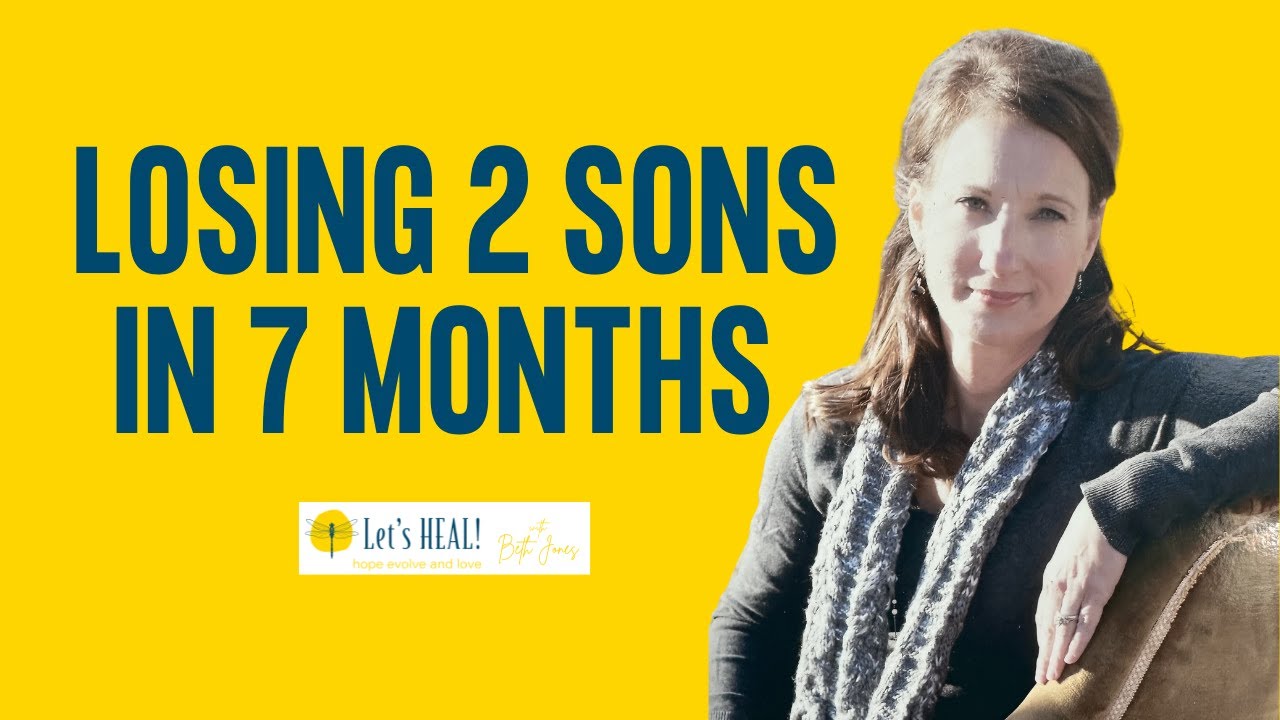
“Today marks seven years since I lost my son, Dylan. He died by suicide seven years ago today. He was 25.”
These are Paula Baldwin’s words on the seventh anniversary of Dylan’s death, the day we recorded her podcast episode, and the first time she shared her story publicly. Paula is a suicide loss survivor, and she is also a mother navigating compounded grief after losing her middle son, Dayton, to addiction just seven months later.
Two sons. Seven months apart. One to suicide, one to addiction. Unimaginable grief.
This is Paula’s story as a suicide loss survivor and a mother who lost two children, learning how to survive grief after suicide and overdose, discovering what to say to someone who lost someone to suicide, finding faith in the midst of devastation, and slowly transforming pain into purpose.
If you or someone you love has lost someone to suicide, Paula’s story is a reminder that healing is possible. Not easy. Not quick. But possible.
The Unexpected Loss: When There Were No Signs

Dylan was 25 years old. “What we thought was a very happy 25-year-old,” Paula shares. “Had lots of friends, was a very talented musician and singer. Had his own apartment, had a great job. No signs that he was struggling with anything, but he obviously was.”
This is one of the most painful realities for suicide loss survivors: the absence of warning signs. “It was very unexpected,” Paula says. “Some people that go through that kind of expected it a little bit or were not fully surprised, but we were with Dylan.”
The lesson Paula emphasizes: “You just never know what someone’s struggling with. Always keep those communication lines open. You just never know. We’ll never know. Unfortunately, for him, we’ll never know what it was that he was struggling with.”
For families and friends of suicide loss survivors, this unpredictability compounds the grief.
The questions haunt: How did we miss it? What could we have done? Why didn’t he tell us?
“We had a great relationship,” Paula shares. “He told me he loved me every single time I saw him and talked to him. He was much better at that kind of thing than I was, and I’m blessed to have had that.”
“Dylan, in no way, shape, or form meant to hurt me or anyone else in his life. He wasn’t thinking about that. They just want the pain to go away. They just want the pain to end.”
The First Days: Walking in a Fog
For suicide loss survivors, the immediate aftermath is often described as walking through fog.
“At first you think you’ll never get over it,” Paula shares. “The days after, you really don’t remember much. Like I don’t, I still to this day don’t remember much. It’s like blurry. You’re walking in a fog, in a darkness that you don’t think you’ll ever get out of.”
The early grief after suicide is all-consuming. “You’re really just doing what you have to do to make it through the day. You’re not sleeping, you’re not eating much. You’re just trying to get through. People are planning things for you. You’re not able to plan. People are dressing you, things that you’re just not able to do. Things that you never thought you would even not be able to do.”
This is important for those wondering what to say to someone who lost someone to suicide: in those first days and weeks, they may not be functioning normally. They need practical help, not just words.
Finding One Reason to Stay
“I can’t do this. I have to, I want to die too,” Paula told her oldest son Justin after Dylan’s death. “I can’t imagine going on.”
Justin’s response saved her life: “Mom, you have to because I need you. I need you, I’m going to have a baby and you’re going to have a grandchild and I need you.”
Paula’s granddaughter was born a month after Dylan passed away. “I clung to that because that was just something. I knew that he needed me and I had to stay here for him and for the baby and for the rest of my family.”
This is a critical message for suicide loss survivors: find one thing.
“People do have to find that one thing and it may be big like that, or it could be small,” Paula emphasizes.
Why is this so important? “Especially with suicide, it makes you think about the others in your life. When people are contemplating suicide, they need to think about the loved ones in their life because it literally destroys them and changes their life forever.”
Paula’s granddaughter became her reason to keep living. “That was just something else to focus on. It was something.”
The Suicide Survivor Group: Finding Others Who Understand
About two months after Dylan’s death, Paula found a suicide survivor group. “That was so helpful. So helpful to be in person with people, to hear their stories. It really was amazing. Just to hurt with these people that had the same hurt that I had. That was the best thing and I would highly recommend that even though it is so extremely painful.”
Why attend a group when you’re already in unbearable pain? Because of the profound relief that comes from being with people who truly understand.
“People can say, ‘I can’t imagine what you’re going through,’” Paula notes. “And you’re right, you can’t imagine unless you have gone through it yourself.”
The group included “people that had just lost people due to suicide. Spouses, friends, some children, parents, all who recently had done it in the last few months.”
The facilitator was herself a suicide loss survivor who had lost her husband years before. “Even she was a suicide survivor herself. And that’s my experience too, the people facilitating started it because they’re looking for it themselves.”
This is critical for grief after suicide: finding community with others who share your specific pain creates a “sad soothing” that nothing else can provide.
The Second Tragedy: Losing Dayton
Seven months after Dylan’s suicide, Paula’s middle son, Dayton, died from his battle with addiction.
“He was 28. He had struggled for years and years with addiction,” Paula shares.
Losing two sons in seven months is unimaginable grief compounded. The layers of trauma, suicide loss, addiction loss, and double grief create unique challenges for healing.
God and Grief: The Questions and the Faith

For Paula, God and grief have been inseparable throughout her healing journey. “I have a strong faith and I don’t know what people that don’t have a strong faith, how they get through it.”
But strong faith doesn’t mean absence of questions. “I was never angry. A lot of people say that they’re angry with God. I never was. Questioned? Yes. Lot of questions.”
Even seven years later: “Today, I think I still question of course, but I also think it’s got to have been, it couldn’t have been for nothing.”
This is the heart of God and grief for many suicide or addiction loss survivors: maintaining faith while holding painful questions. Not anger at God, but deep questioning about purpose and meaning.
“We all know God has a plan for our life. We don’t know what that is. We wish that we did. What is it? Just tell us what is it? We’ll follow it. But we don’t know what that is. We have to wait and see how it plays out. We have to trust and that’s very hard to do.”
Paula prays regularly. “I read the Bible a lot. I pray a lot about it. I try to do what I think He wants me to do, which this is one of the things I think He wants me to do, is tell my story and help people that have been through something similar.”
The question she returns to: “Why would He put me through this pain if it’s not for the plan that He has for my life?”
Gratitude in Grief: The Hardest Thank You
One of the most difficult aspects of grief after suicide is finding gratitude. “You have to be thankful for whatever it is. That’s also hard. You have to say thank you. And you don’t want to sometimes.”
I respond: “I think that gratitude is part of feeding hope, which is what helps us to get through when the days are dark.”
Paula is grateful for her oldest son Justin, her two granddaughters, the relationship she had with Dylan, being able to see both sons and bury them together, the suicide survivor group, and her faith.
Turning Pain Into Purpose: Sharing Your Story
“Since I have gone through it, I like to think that it’s not for nothing, that I can help someone,” Paula shares. “One of the first things after I went through it was I was constantly looking for others’ stories of people that had gone through it.”
Paula searched for podcasts, books, and people who had lost loved ones to suicide. “I’m hoping that what I’ve gone through and my story will help others that have gone through it in some small way or a big way to know that you’re not alone.”
This is turning pain into purpose: taking your lived experience and using it to help others who are suffering.
“My healing journey, I think, is that I want to help others. I want it to be for something,” Paula explains. “If I can only help one person, one person that’s looking for something and finds me and hears my story and it helps them, that will heal me.”
I affirm this truth: “It’s every time I do it and I’m received in a way that someone says to me, or I can tell by their reaction that I’ve helped them in some small way, that’s like God coming down and touching me and going, ‘See, I told you. This is why.’”
What to Say to Someone Who Lost Someone to Suicide
Paula has clear guidance on what to say to someone who lost someone to suicide, and what not to say.
“People say things, not that they mean any ill will, but they say some really dumb things when they don’t mean anything bad,” Paula shares. “Maybe I can help some people and tell them what not to say when something happens, because some things are just not helpful and other things really are.”
Her primary guidance: “Mainly you don’t have to say anything. Just be there. That’s one thing.”
For suicide loss survivors in the immediate aftermath: – They’re in a fog and won’t remember much – They need practical help (planning, dressing, basic tasks) – They’re not sleeping or eating – They’re just trying to get through each day – Presence matters more than words
Don’t say: – “I can’t imagine what you’re going through” (unless you’re genuinely expressing empathy, not dismissing their pain) – Things that minimize their grief – Platitudes about “being in a better place” – Questions about why they didn’t see the signs
Do say: – “I’m here” – “I’m listening” – “What do you need?” – Nothing at all, just be present
And offer practical help: bring food, help with planning, assist with daily tasks they can’t manage.
For long-term support: – Don’t assume they’re “over it” after a certain time – Understand it’s “always fresh” even years later – Be willing to listen to their story repeatedly – Recognize that grief doesn’t follow a linear path – Allow them to feel whatever they’re feeling
The Reality of Suicide Loss: What Families Need to Know
Paula shares critical insights for anyone who has lost someone to suicide:
The relationship matters and doesn’t matter simultaneously: Paula had an amazing relationship with Dylan. They said “I love you” regularly. But he still died by suicide. Good relationships don’t prevent suicide when mental illness or unbearable pain is present.
Estrangement creates additional layers: “I feel my heart feels for them,” Paula says about families who were estranged. “Because they have to live with that.” She’s grateful she doesn’t have that particular burden, but recognizes many suicide loss survivors do.
You may never know why: “We’ll never know what it was that he was struggling with,” Paula says. This is one of the hardest realities for suicide loss survivors: the questions without answers.
It changes you forever: “It literally destroys them and changes their life forever,” Paula says about what suicide does to those left behind.
Acceptance comes in stages: Paula couldn’t fully accept Dylan’s death until she saw him at the funeral home. “When you see him and you know that’s him, and that’s his beautiful hair. You’re a mother. You touch him and you know it’s him. Because until you see him, there’s the opportunity [to believe] it’s not true. It’s not him.”
The Healing Journey Continues
Seven years after Dylan’s death, Paula is healing. Not healed, but healing. There’s a difference.
“It’s been a journey for me for the last seven years, not one that I would wish on anyone,” Paula shares. But she’s moving from pain to purpose, from victim to helper, from devastation to hope.
She’s blessed with her son Justin, her two granddaughters, and her husband. “You still, you hold onto things and little things. You remember bits and pieces.”
She believes in signs from God along the way. “Little things happen to you along the way. There are certain things, signs that give you that you may have to be slapped across the face to even recognize. We get better at that. I think my experience has been, they’ve probably happened and I just haven’t seen them. I think we get better, God’s talking and we get, we hear it more and see it and know.”
Your Journey as a Suicide Loss Survivor
If you’re reading this as a suicide loss survivor navigating grief after suicide, Paula’s message to you is clear: You’re not alone. Others have walked this path. Healing is possible.
Find your suicide survivor group. Connect with others who understand. Don’t try to do this alone.
Find your one reason to stay, big or small. A grandchild, a child who needs you, a purpose waiting to unfold. Something to cling to in the darkest days.
Allow yourself to question while maintaining faith. God and grief can coexist. Questions and trust can coexist. Doubt and hope can coexist.
Practice gratitude in grief even when you don’t want to. It feeds hope. It creates light in darkness.
And when you’re ready, not before, but when you’re ready, consider turning pain into purpose. Your story might be exactly what one person needs to hear.
Paula is in that phase now. “She is in that pain to purpose phase of her life where she’s trying to figure out what do I do with all of this stuff that I’ve experienced,” I explain in the introduction.
The answer she’s found: Share your story. Help others. Be the resource she wished she’d had.
In Paula’s Words: Hope for the Future
“I’m gonna get through this. It will get better,” Paula says on the seventh anniversary. “It seems like yesterday some days, and sometimes it feels like a very long time ago. Always fresh.”
But she’s here. She’s healing. She’s finding purpose.
“It’s never easy to lose a child. As a mother, you’re supposed to go first,” Paula acknowledges. “But since I have gone through it, I like to think that it’s not for nothing, that I can help someone.”
That’s the message: Your pain isn’t random. Your grief isn’t meaningless. Your story matters. And when you’re ready, sharing it can help heal both you and others.
Paula Baldwin is proof that suicide loss survivors can find hope, healing, and purpose after unimaginable tragedy. Not easily. Not quickly. Not without ongoing grief. But possible.
Come on, everyone, Let’s HEAL!
If you're considering suicide, help is available
US 988 Suicide and Crisis Lifeline: 988
US Emergency number: 911
US 988 Suicide and Crisis Lifeline
Outside of the US, find a number here: Suicide Hotlines & Crisis Helplines | Free, 24/7 Chat, Text & Phone
Categories
OUR BLOGS
Recent Posts

Emotional Triggers at Work: What Leadership Reactions Are Really Costing Your Team
A framework for understanding why some leaders’ reactions feel disproportionate to the moment, and what…

Human-First Leadership in Practice: How Recovery Transformed One Leader’s Team
What does leadership look like when a leader has done their own work? Not the…

How Leadership Behavior Sets the Tone for Your Entire Organization
Every organization has a tone. It is not the values statement on the website or…