
Christian Rehab for Men: From Trauma to Healing
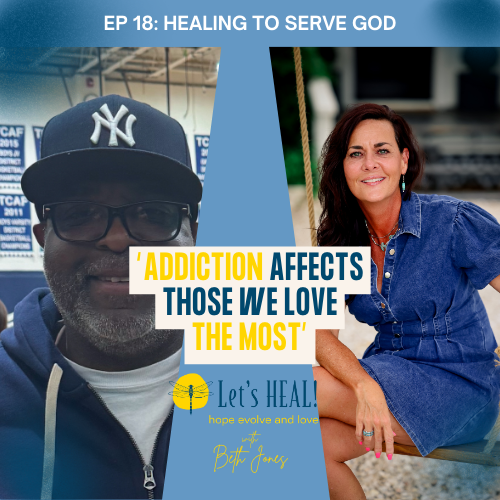
When Charles McIntyre walked through the doors of Men of Nehemiah, a Christian rehab for men, after a long battle with addiction, he was, in his own words, “sick and tired of being sick and tired.” He’d tried everything. Nothing worked. He was defeated, broken, and convinced his life would never change.
Today, Charles works at that same faith-based recovery program, serving other men who are fighting the battle God helped him overcome. His story is a powerful testament to what’s possible when we address the deep connection between trauma and substance abuse, commit to healing generational trauma, and finally get sick and tired of being sick and tired enough to do the hard work of transformation.
The Truth About Trauma and Substance Abuse

Charles and I discovered something profound when we first talked: we’re more similar than we’re different. Looking at us, you might think otherwise. But the way we’ve been through life, with unprocessed trauma and abuse, carrying emotions we struggled to handle, surviving in terrible places, that’s very much the same. The difference is how we survived. My survival looked like becoming a high-achieving forensic investigator, while my trauma shaped every decision I made. Charles’s survival looked like addiction.
This is the reality of trauma and substance abuse that too many people misunderstand: addiction is a survival mechanism.
For Charles, as for so many men who come to Men of Nehemiah seeking help with breaking the cycle of addiction, substance abuse is an attempt to manage unprocessed pain, to numb feelings that feel unbearable, to escape memories that refuse to let go.
Charles’s addiction story began with childhood abuse. His mother was 18 when she had him. By the time Charles was eight, she was on her third marriage to a pastor who was brutally abusive. As Charles shared, “He was very abusive, like almost torture to an extent.” While other kids went to the skating rink or played sports, Charles was either in church or getting beaten for infractions as minor as forgetting a Bible verse.
What makes this even more painful is that the abuse became normalized. Charles told me, “It was so often that it actually just became normal.” This is what unprocessed childhood trauma does. It rewires our understanding of what’s acceptable, what we deserve. And years later, when that trauma remains unhealed, it often manifests as addiction.
What Makes Comprehensive Treatment Effective: Biblical, Military, Clinical
The program Charles attended, Men of Nehemiah, differs from typical rehab facilities, and understanding its approach helps explain why comprehensive treatment is so effective for breaking the cycle of addiction and healing generational trauma. This Christian rehab for men is built on three integrated pillars: biblical, military, and clinical.
The biblical component introduces men to faith and spirituality through counseling.
This goes beyond religious instruction. It’s about finding purpose, meaning, and unconditional love, often for the first time in these men’s lives. For someone like Charles, who’d been so traumatized by his pastor stepfather’s abuse that he vowed never to set foot in a church again as an adult, returning to faith required profound healing work.
The military component provides structure and discipline.
Many men struggling with trauma and substance abuse may have experienced only chaos or inconsistent expectations. This aspect teaches them how to show up, how to be accountable, how to function in community.
The clinical component, the counseling, addresses the root causes.
This is where the connection between trauma and substance abuse gets unpacked. This is where men learn that their addiction is the symptom. The real problem is the unprocessed trauma, the abuse, the abandonment, the pain they’ve been trying to manage the only way they knew how.
Charles described the program’s primary purpose: “to restore men back to the house so they can be fathers, so they can be leaders in the community.” This is about breaking generational cycles through complete healing. Whether through faith-based programs, secular treatment centers, or other comprehensive approaches, effective recovery addresses the whole person beyond just the addiction.
The Connection Between People Pleasing and Trauma
One aspect of Charles’s story that resonated deeply with my own healing journey was his pattern of people pleasing and trauma. When you grow up in an abusive environment where violence could erupt at any moment, you develop hypervigilance. You learn to read people’s moods, to anticipate what might set them off, to do whatever you can to avoid triggering their anger.
Charles talked about how, before his healing, he would “do weird stuff or just overextend myself for attention or to try to get people to like me.” He was constantly seeking external validation because he lacked the ability to validate himself.
This pattern of people pleasing and trauma is common in survivors.
We become so focused on managing other people’s emotions that we lose ourselves completely. For men dealing with trauma and substance abuse, this people-pleasing pattern often extends to their drug use, using with others to fit in, to be accepted. Breaking the cycle of addiction requires addressing these underlying trauma patterns.
Getting Sick and Tired of Being Sick and Tired
There’s a phrase common in recovery circles: “sick and tired of being sick and tired.” It describes that moment when the pain of staying the same finally exceeds the fear of change. When continuing down the same path becomes more unbearable than doing the hard work of transformation.
Charles experienced this moment after years of battling addiction. He’d tried everything: different substances, different approaches, different geographic locations. He was working as a truck driver, living in what he described as “such a dark, lonely, isolated world.” Nothing was working. He was defeated.
That’s when God’s wisdom led him to the recovery program that finally worked. He came in broken, and over time, as he put it, “the light came on.” He experienced restoration and redemption. But it took time and required doing the work.
This is important for anyone struggling with trauma and substance abuse to understand: getting sick and tired of being sick and tired is the beginning.
It’s the moment that opens the door to healing, but you still have to walk through that door. You still have to do the work of unpacking the trauma, addressing the people pleasing and trauma patterns, learning new coping mechanisms, and building a new life.
Breaking Generational Cycles Through Healing
One of the most powerful aspects of Charles’s story is how he’s breaking generational cycles for himself, for his daughter, and for his future grandchildren. This is healing generational trauma in action.
Charles left his daughter when she was young. He couldn’t be the father he’d always dreamed of being because he was still caught in his own unhealed trauma and addiction. His mother, his daughter’s grandmother, stepped in to raise her.
This is a common story in families dealing with addiction: grandparents raising grandchildren while their own children struggle.
But Charles persisted with the relationship. After completing his own healing work at Men of Nehemiah, he began the process of making amends in recovery. He reached out on Mother’s Day and has been consistent ever since. His daughter is now 18, and she’s coming to spend a week with him, a monumental milestone that became possible because Charles did his healing work.
As Charles told me, his daughter’s mother trusts him enough now to allow this visit. That trust came from Charles being consistent, from showing up, from demonstrating through his actions that he’s done the work to heal. This is what making amends in recovery looks like: apologizing and changing your behavior and proving over time that the change is real.
Charles is thinking about everything from taking his daughter indoor skydiving to getting dressed up and taking her to the Reunion Tower in Dallas for a formal date to show her how she should be treated on a date. He wants to create memories she’ll carry with her. He wants to establish trust so she knows she can call her dad when she needs him.
This is breaking generational cycles. Charles’s stepfather modeled abuse and violence. Charles, in his active addiction, was absent. But now, Charles is modeling something entirely different for his daughter: a man who admits when he’s wrong, who does the work to heal, who shows up consistently, who loves unconditionally. His daughter can see a different path beyond repeating the cycle of trauma and substance abuse.
Healing Generational Trauma: The Bigger Picture

Charles talked about healing for future generations, including his daughter and his unborn grandchildren. This is what healing generational trauma looks like. When we do our own healing work, we change our lives and the trajectory of our entire family line.
Unhealed trauma ripples through families, shaping how we parent, how we relate to others, and what we model for the next generation.
Children of people with unhealed trauma often grow up in environments of chaos, inconsistency, or emotional unavailability. They develop their own trauma responses and survival mechanisms. And the cycle continues.
But when someone like Charles commits to breaking the cycle of addiction and addressing the underlying trauma, everything changes. His daughter gets to grow up seeing that healing is possible. She gets to have a relationship with a father who’s done the work to become emotionally available. She gets to learn that when people hurt you, there’s a path to repair and reconciliation.
And her children, Charles’s future grandchildren, will grow up with a grandfather who can be fully present, who can offer wisdom born from experience, who can demonstrate that redemption is possible no matter how broken you’ve been. They’ll inherit a legacy of healing and transformation rather than trauma and substance abuse.
The Role of Faith in Breaking the Cycle of Addiction
For Charles, faith became central to breaking the cycle of addiction in a surprising way. Remember, he’d been so traumatized by his abusive pastor stepfather that he vowed never to go to church again as an adult.
But in his faith-based recovery program, Charles discovered something different. He encountered faith as a source of unconditional love, purpose, and transformation rather than a tool of control or abuse. People heal through many different approaches. But for Charles, the spiritual component provided something essential: a sense that he was loved and valued simply for who he was, beyond what he did or achieved.
Charles talked about how receiving love used to be difficult for him because people were offering it but he lacked the capacity to return it. “The only thing I loved was drugs,” he said.
But through his healing work, that changed. Now he both gives and receives love. The hugs and community in recovery are his “battery,” his “charger.”
This is what healing looks like: moving from isolation to community, from using substances to using connection, from surviving to thriving.
The Power of Transformation Through Comprehensive Treatment
Charles described watching men come into recovery programs “totally defeated and broken” and then, over time, watching “the light come on.” He gets to see hurting people begin to glow, to experience restoration and redemption. And he plays an intricate role in that transformation because he’s been where they are.
This is one of the most powerful aspects of recovery: people who’ve successfully completed programs often come back to serve.
They become living proof that healing is possible. They understand the struggles, the temptations, the shame, the fear because they’ve lived it. And they can offer hope from a place of genuine understanding.
Charles never imagined he’d work in ministry. He was a truck driver, isolated and alone, convinced that connection with people wasn’t for him. Now he realizes he’s “definitely a people person” who thrives in community. This transformation shows how much trauma and substance abuse can distort our understanding of ourselves. When Charles was using, he thought isolation defined him.
In healing, he discovered it was simply another symptom of his trauma.
Practical Lessons for Breaking the Cycle of Addiction
Based on Charles’s journey and my own healing work, here are practical insights for anyone working on breaking the cycle of addiction and healing generational trauma:
Understand the trauma connection. Addiction is almost always rooted in trauma, with substance abuse serving as a coping mechanism. Successfully breaking the cycle of addiction requires addressing the underlying trauma.
Find your “sick and tired” moment. Real change happens when you get sick and tired of being sick and tired, when the pain of staying the same exceeds the fear of change.
Address people pleasing patterns. If you struggle with people pleasing and trauma, recognize this as a survival mechanism from your past. Healing requires learning to validate yourself rather than constantly seeking external approval.
Commit to consistency in making amends. Making amends in recovery is about showing up consistently over time. Charles reconnected with his daughter on Mother’s Day and has been consistent ever since.
Find community that supports healing. Whether a faith-based program, a secular recovery center, therapy, or supportive friends and family, healing requires community. Charles thrives in community after years of isolation. Connection is the opposite of addiction.
Seek comprehensive treatment. Look for programs that address the whole person: the spiritual or philosophical component (purpose and meaning), the structural component (discipline and accountability), and the clinical component (addressing root trauma). This integrated approach is more effective than treating addiction alone.
Think about future generations. Breaking generational cycles extends beyond you. It’s about your children, your grandchildren, everyone who comes after you.
Do the deeper work. Healing is the goal. You can stop using substances, but still be living from unhealed trauma. True breaking of the cycle requires addressing the root causes.
Recognize your worth. Charles now says, “I feel worthy” and “I love Charles.” This self-love took work. But it’s essential for lasting healing from trauma and substance abuse.
The Hope in Charles’s Story
What gives me profound hope about Charles’s journey is how completely he’s transformed. He went from a man who couldn’t be present for his daughter, who was isolated and defeated, who’d been battling addiction for 16 years, to someone who radiates joy and purpose. He went from receiving love but being unable to return it, to someone who both gives and receives love freely.
This transformation happened because he did the work. He committed to a comprehensive recovery process that addressed his whole person: spiritual, structural, and clinical. He addressed his trauma and substance abuse connection. He worked on his people pleasing and trauma patterns.
He got sick and tired of being sick and tired and made a different choice.
And now, he’s healing himself and breaking generational cycles for his daughter and future grandchildren. He’s serving other men who are where he used to be, offering them hope and proof that transformation is possible. He’s creating ripples that will extend through his family line and through every person he serves.
Breaking Generational Cycles: A Call to Action
Charles’s story demonstrates that healing generational trauma and breaking the cycle of addiction is possible no matter where you’re starting from. Even if you’ve been battling for 16 years. Even if you’ve tried everything and nothing has worked. Even if you’ve hurt people you love and destroyed relationships that matter.
The question is: are you sick and tired of being sick and tired? Are you ready to do the work?
For men struggling with trauma and substance abuse, comprehensive treatment programs exist that address the whole person: spiritual, structural, and clinical. Whether faith-based or secular, the most effective programs recognize that breaking the cycle of addiction requires addressing the trauma, building community, developing structure, and finding purpose beyond simply stopping substance use.
For anyone working on healing generational trauma, Charles’s story offers hope. You can begin right where you are.
Take the first step. Reach out for help. Commit to the process. Show up consistently. Do the work even when it’s hard.
And for those who have children or grandchildren, remember: healing yourself is one of the greatest gifts you can give them. Breaking generational cycles means they can avoid fighting the same battles you’ve fought. Making amends in recovery and rebuilding those relationships, like Charles is doing with his daughter, creates new possibilities for connection and healing that ripple into future generations.
Charles and I are similar in more ways than we’re different. We both experienced trauma. We both survived in unhealthy ways for years. We both eventually did the healing work. And now we both share our stories to help others see what’s possible.
Whether your survival looked like addiction or achievement, isolation or people pleasing, the path to healing is available.
Treatment programs, therapy, support groups, faith communities, and healing resources exist for anyone committed to breaking the cycle of addiction and healing generational trauma.
The cycle can be broken. Generational trauma can be healed. Transformation is possible. Charles McIntyre is living proof. Ready to explore recovery resources? If Charles’s story resonated with you and you’re looking for faith-based recovery for men that addresses trauma and addiction comprehensively, Men of Nehemiah offers the biblical, military, and clinical approach that transformed his life. For more stories of healing and transformation, resources on healing generational trauma, and support for your own journey, visit our Resources page.
Categories
OUR BLOGS
Recent Posts

What Imposter Syndrome Looks Like Inside a Leadership Meeting
Most of the imposter syndrome conversation stops at the feeling. Not good enough. Don’t belong….
Conflict Avoidance Is a Leadership Behavior With a Measurable Cost
Conflict avoidance goes by a lot of names: patience, diplomacy, being easy to work with….

Stop Performing for Approval and Start Leading
Some of the most capable leaders in an organization are also the most exhausted, and…